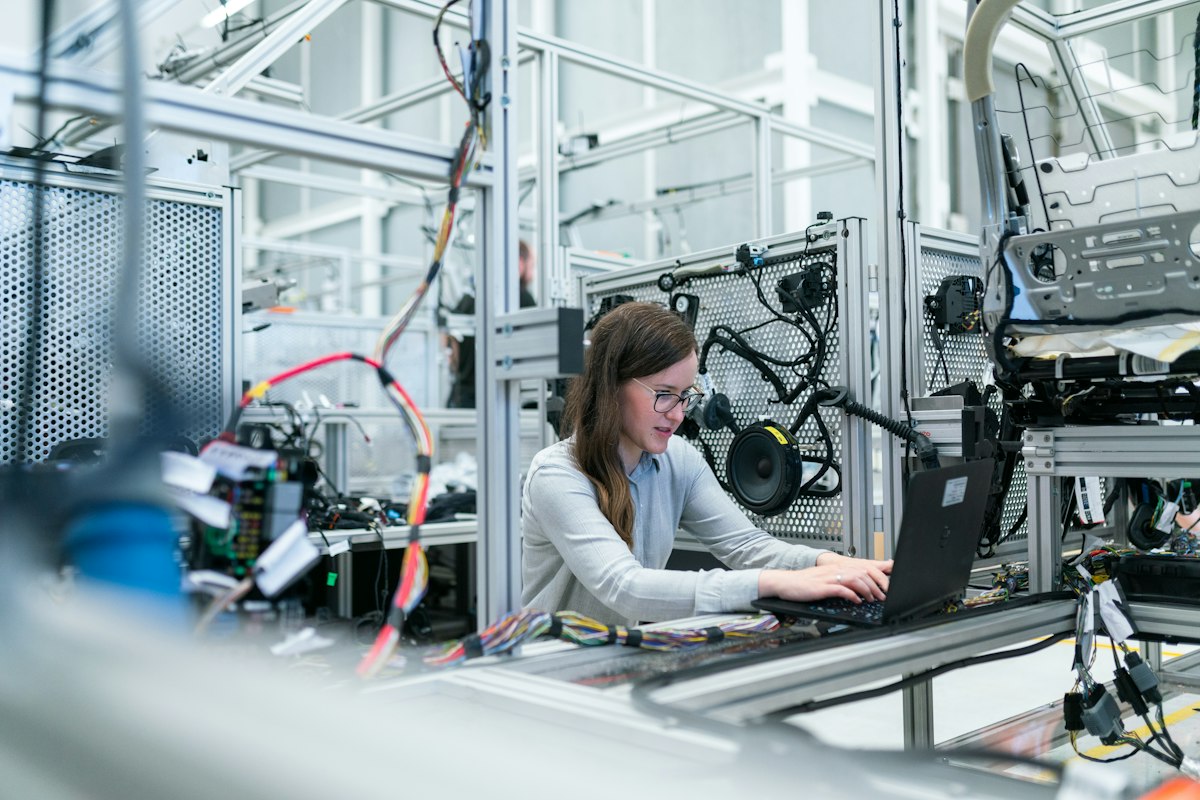

Gujranwala, famously known as the city of industries, stands at a critical crossroads as the global manufacturing landscape undergoes a rapid shift toward automated, tech-driven production systems. From the small fan manufacturing workshops in Satellite Town and Climaxabad to the cutlery and ceramics units located along the G.T. Road, this industrial region serves as the economic backbone of the province. However, maintaining this competitive edge in today's fast-paced global market requires more than just raw manual labor and legacy mechanical machines. The transition toward Digital transformation Gujranwala is a pressing reality for local entrepreneurs who wish to expand their market reach, scale operations, and reduce production costs. By embracing custom software applications, local industrial units can digitize their workflows, track efficiency in real time, and integrate themselves into global supply chains.
For decades, the city's success in producing aluminum utensils, home appliances, electrical fans, sanitary fittings, and agricultural machinery relied on traditional manual methods and oral instructions. Today, relying on paper logbooks and physical ledger entries leads to massive communication delays, material waste, and unexpected production bottlenecks. To stay viable in a global economy that demands precise specifications and fast delivery times, local enterprises must look at how digital tools can streamline their operations, transforming their business models from reactive to proactive. Adopting custom software is the key to unlocking this new era of efficiency and growth.
The Industrial Renaissance: Digital transformation Gujranwala as a Growth Catalyst
Modernizing an industrial unit does not mean discarding your existing physical machinery; rather, it involves layering customized software applications over these physical assets to make them smarter. In Gujranwala's industrial clusters, this digital renaissance is happening through the adoption of Enterprise Resource Planning (ERP) systems. When a factory shifts from manual spreadsheets to a centralized software hub, every department—from procurement to the shop floor and dispatch—becomes connected. This connectivity provides business owners with a single source of truth, enabling them to identify exactly where delays occur, monitor cycle times, and optimize resources. It marks the shift from standard manual manufacturing to data-driven smart manufacturing.
This digital transition is especially critical for export-oriented factories that ship sanitary ware, cutlery, and kitchenware globally. Modern international buyers demand absolute transparency, verified quality consistency, and strict adherence to delivery dates. Without digital tracking systems, local manufacturers struggle to secure high-value contracts. Modernizing the industrial base with web-based dashboards and custom database systems allows local exporters to provide real-time updates to their clients, elevating their brand value and positioning Gujranwala as a reliable, tech-savvy hub for manufacturing.
Navigating the Bottlenecks: Major Challenges in Gujranwala's Factories
However, digitization is met with several cultural and structural hurdles on the local factory floors. The first major obstacle is the widespread resistance to change among both management and factory workers in traditional, family-owned businesses. Many industrial units are family-owned businesses where older generations are comfortable with traditional paper registers. Convincing supervisors and shop floor laborers to input data into mobile applications instead of paper registers is often difficult. Overcoming this cultural barrier requires simple user interfaces and proper training programs that demonstrate how software makes their daily tasks easier, faster, and safer.
The second major challenge is legacy machinery that completely lacks digital interfaces or electronic sensors. Replacing these heavy mechanical presses, furnaces, and manually operated lathes is financially impossible for most small and medium-sized local factories. Fortunately, custom software developers bridge this gap by using external IoT sensors and retrofitting older machines with basic electronic modules, allowing them to broadcast simple run-time data without requiring major capital investments.
The third hurdle is the lack of in-house IT expertise within these manufacturing units. Hiring full-time software developers is highly expensive and difficult to manage for traditional business owners who are not familiar with managing technology departments. Consequently, many factory owners rely on off-the-shelf software packages that do not fit their unique operational workflows, resulting in failed implementations. Partnering with independent custom developers who provide end-to-end guidance and ongoing support is the key to overcoming this resource gap.
Bespoke Custom Software Solutions for Modern Smart Factories
The true value of technology is only unlocked when it fits a factory's specific operational workflow perfectly. The field of Software Development in Pakistan has evolved rapidly, offering targeted, budget-friendly tools that address specific manufacturing bottlenecks. Custom software applications avoid the bloat of generic enterprise platforms and focus strictly on what a business needs to grow. In Gujranwala's context, three main custom applications are driving high returns: Internet of Things (IoT) integration, live production dashboards, and inventory forecasting.
IoT integration involves attaching low-cost electronic sensors directly to machinery to monitor temperature, physical vibrations, power consumption, and mechanical cycle counts. In a ceramics factory, for instance, connecting kiln sensors to a centralized web database triggers automatic smartphone alerts if temperatures fluctuate. This simple connection prevents costly batches of ruined ceramics and ensures a consistent level of quality, demonstrating how custom coding can breathe new life into older industrial setups without requiring complete machinery overhauls.
Production dashboards compile real-time data from all departments, displaying live hourly output, machinery downtime reasons, and worker efficiency metrics. Factory owners can access these web links from their mobile devices anywhere, enabling rapid, data-backed decisions and removing communication gaps that typically delay client shipments.
Inventory forecasting solves cash-flow issues by predicting exactly when to reorder raw materials like copper, aluminum, and steel based on production trends. Custom inventory software analyzes production history and market trends to automate purchase orders and monitor current stock, preventing expensive production halts due to unexpected material shortages.
The Strategic Benefits of Automation and Digital Systems
Investing in digital modernization yields immediate, measurable operational efficiency. Replacing manual handoffs with automated software workflows reduces human errors on the shop floor. Purchase orders are processed faster, production schedules are optimized to prevent idle time, and dispatch details are logged accurately. This streamlined workflow allows factories to output a higher volume of goods without necessarily increasing their physical footprint or labor force.
Furthermore, digital systems enhance quality control significantly. In the sanitary ware and cutlery sectors, manual visual quality checks are highly prone to human error and oversight. Custom quality control modules allow inspectors to log defects on mobile tablets. The software compiles this data to highlight recurring production issues, helping managers fix root causes such as faulty dies or weak molds, ultimately reducing scrap rates.
Automation also reduces energy and maintenance costs on the factory floor. Software monitors machine runtime, helping management schedule heavy operations during off-peak electricity hours to lower utility bills. Predictive maintenance alerts notify teams to service machines before breakdowns occur, preventing costly emergency repairs and maintaining a smooth supply chain flow that keeps international clients satisfied.
Success Stories: Local Factories Transforming Their Operations
This modern approach is already yielding impressive results in the region. A mid-sized fan manufacturer in the Small Industrial Estate struggled with high scrap rates and massive stock discrepancies. By deploying a custom tracking system and inventory portal, they reduced scrap by 15% and eliminated discrepancies, successfully expanding their domestic sales to national retail chains.
Similarly, a cutlery exporter along the G.T. Road implemented a custom customer portal linked to their database. Overseas buyers can now log in to track their production batches and container status in real time. This transparency secured their current partnerships and helped them win new contracts in the European Union, demonstrating that local manufacturing combined with smart software can compete effectively on the global stage.
A Practical Digital transformation Gujranwala guide for Factory Owners
For factory owners ready to begin, this Digital transformation Gujranwala guide suggests starting with a small, high-impact pilot project like tracking raw material inventory or single-machine runtime. Once the team adapts and sees the return on investment, you can expand. Applying these practical Digital transformation Gujranwala tips minimizes operational disruption during the transition.
User training and adoption is the next vital step. Custom software is useless if operators on the factory floor refuse to input data. Involve supervisors and floor workers early in the development phase, incorporate their feedback, and ensure the interface supports the local language for easier adoption.
Finally, always choose custom software over rigid, generic templates. Custom software solutions fit your existing business workflows perfectly, ensuring long-term scalability. For insights on custom dev setups, check the About Mian Adil page. To start your project, contact an expert through the Contact Mian Adil page to begin designing your custom solution.
The Future of Smart Manufacturing in Pakistan
The future of manufacturing in Pakistan belongs to smart technologies. As cloud hosting costs decrease, more local factories will adopt web-based enterprise platforms. Artificial intelligence and computer vision will soon automate quality inspections, identifying defects in metal castings and appliances with extreme speed and accuracy.
Moreover, national initiatives from the Punjab Information Technology Board are supporting this shift by connecting traditional clusters with software resources. By investing in local tech expertise, Gujranwala's industrial sector can transition to smart manufacturing, move from low-margin production to high-margin brand ownership, and secure its place as a leading industrial hub for decades to come.
Frequently Asked Questions
❓ What is Digital transformation Gujranwala in the context of local factories?
In local factories, digital transformation refers to replacing paper registers and manual workflows with custom software, IoT sensors, and live production dashboards. It allows factory owners to monitor machinery runtime, forecast raw material needs, and track order completion rates in real time, turning traditional manufacturing units into smart factories.
❓ How can old factory machines be integrated into custom software?
Old machinery can be retrofitted with external electronic sensors and microcontrollers. These sensors monitor simple metrics like vibration, heat, power consumption, and mechanical cycles, and send this data to a custom web application. This approach provides real-time machinery data without the high cost of buying brand-new smart machines.
❓ What are the top Digital transformation Gujranwala tips for small manufacturers?
The best tips are to start with a small, high-impact pilot project, choose custom software that fits your current operational workflows rather than off-the-shelf systems, and involve factory staff early in the design phase to make sure they are properly trained and comfortable using the new digital tools.
❓ Why is custom software better than off-the-shelf systems for industries?
Off-the-shelf software is often rigid and packed with unnecessary features, forcing you to modify your existing business workflows. Custom software is designed from scratch around your specific production processes, ensuring a lightweight codebase, easier employee adoption, and direct ownership of the source code.
❓ Where can I find an expert for Software Development in Pakistan?
You can partner with local custom software developers who specialize in industrial automation and ERP solutions. Specialized independent consultants offer direct collaboration, transparent pricing, and tailormade codebases. To discuss your project, you can contact an expert through the Mian Adil contact page.
Turn These Insights Into Results
Choose the most relevant next step for your website or online business.
- B2B Website Development Present products and capabilities clearly to local and international buyers.
- Get a Free B2B SEO Audit Review your website visibility, speed, and lead-generation foundations.
- Explore Mian Adil’s Portfolio See web development, SEO, e-commerce, and SaaS work in one place.