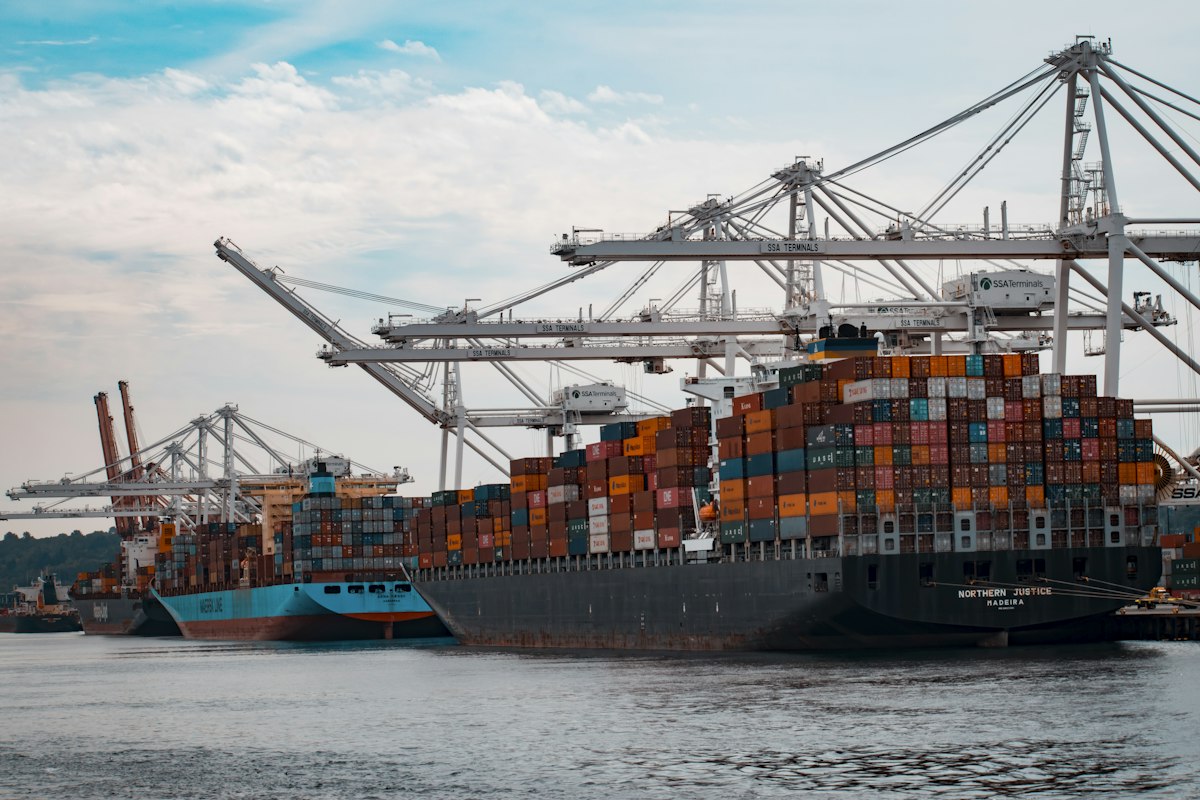

In today's highly competitive international trade landscape, establishing a strong digital presence is a core business requirement. To tap into foreign markets and build lasting relationships with overseas buyers, a standard monolingual site is no longer sufficient; instead, investing in a robust multi language business website has become the gold standard for companies aiming to expand their global export orders. When foreign buyers search for suppliers, they naturally prefer to browse and communicate in their native language. By presenting product specifications, certification details, and company history in multiple languages, you remove the initial friction of communication and build immediate trust. For factories and exporters looking to stand out on the global stage, a localized digital presence can mean the difference between a missed opportunity and a multi-million-dollar contract. Translating your site is not just about translating words; it is about localizing the entire customer experience to show international clients that you respect their language, culture, and business preferences.
Why Every Modern Exporter Needs a Multi Language Business Website
To succeed in international trade, a manufacturer must understand that the modern procurement process begins online. Long before a purchasing manager in Germany or a distributor in Saudi Arabia reaches out to you, they are conducting detailed online research. They search for specific products, check quality standards, and verify manufacturing capabilities. If your website is only available in English, you are missing out on a massive portion of the global market. While English is widely used in business, many decision-makers prefer to read complex technical specifications and contract terms in their own language. A dedicated multi language business website directly addresses this preference, making your business far more accessible to a global audience. When a user can read your site in their primary language, they spend more time exploring your product catalog, downloading brochures, and reviewing your certifications, which directly translates to higher engagement and more inquiries.
Furthermore, localizing your web presence is a powerful signal of credibility. It shows that your business has a long-term commitment to serving international markets. This trust factor is crucial in high-value B2B manufacturing transactions, where buyers are looking for reliable, long-term partners. A localized website also helps you bypass middlemen, allowing you to connect directly with the end buyers, increasing profit margins and giving you greater control over your customer relationships. By speaking directly to your audience in their native language, you establish a direct, transparent communication channel that fosters long-term business partnerships.
How a Dynamic Website Powers Multi-Language Content Delivery
When planning to build a multi-language platform, exporters must choose the right technical architecture. While a simple static site might seem easier to launch initially, it quickly becomes a nightmare to maintain as you add more products and languages. A dynamic website is the preferred solution for managing complex multi-lingual content efficiently. In a dynamic setup, the content is stored in a database and rendered on the fly based on the user's selected language. This database-driven approach means that when you update a product specification or upload a new certification, the changes can be automatically reflected across all language versions, saving hundreds of hours of manual copy-pasting. It also allows you to integrate dynamic features like language-specific pricing, real-time inventory updates, and localized contact forms, providing a highly personalized experience for each visitor.
A dynamic architecture also makes it easy to implement robust search functionality. A buyer looking for a specific industrial component can search your catalog using localized terms, and the system will instantly retrieve the correct product details. By choosing a dynamic framework, you ensure that your digital platform is ready to scale as your export business grows, allowing you to easily add new languages and integrate custom CRM systems. This flexibility is critical for manufacturers who need to update their product lines and specifications regularly without disrupting the existing translations.
Key Technical Features of a Multi Language Business Website for Global Trade
Building a successful multi language business website requires careful attention to specific technical features that optimize the user experience and search engine visibility. First, you must implement clean URL structures for each language version. Avoid using automatic translation scripts that translate content on the fly without changing the URL. Instead, use subdirectories (e.g., website.com/es/ for Spanish) or subdomains (e.g., es.website.com) to host localized content. This structure allows search engines to index each language version separately, drastically improving your search engine rankings in foreign countries. Additionally, you must implement hreflang tags in your site's header code to tell search engines which language version of a page to show to users in different geographic locations, preventing duplicate content penalties.
Another critical feature is language selector placement. The language selector should be highly visible, easy to find, and located in a standard position like the top right corner of the header. Use the native names of the languages (such as 'Español' or 'العربية') to make it easy for foreign users to navigate. Furthermore, the design of your site must be flexible enough to handle text expansion and direction changes. For example, languages like Arabic and Urdu are read from right to left (RTL), which requires your CSS layouts to reverse automatically to maintain visual usability. A professional developer will design the site with these structural considerations in mind, ensuring a seamless experience across all languages.
Collaborating with a Web Developer in Gujranwala to Scale Locally and Globally
For manufacturers based in the industrial cities of Pakistan, the journey to global markets starts with local collaboration. If you are operating a factory in the Punjab region, working with a professional web developer in Gujranwala is the most effective way to build a world-class export platform. A local developer who understands the industrial landscape of Gujranwala—from sanitary fittings and kitchenware to electric fans and agricultural machinery—can tailor the website to highlight the unique strengths of your manufacturing processes. They can visit your factory floor, take high-quality media assets, and sit down with your management team to map out your international trade goals. This direct communication eliminates the misunderstandings that often occur when working with remote agencies, ensuring that the final product aligns perfectly with your business model.
A local developer also understands the technical challenges faced by businesses in the region, such as integrating reliable database connections and optimizing site speed for low-bandwidth networks. They can build a high-performance dynamic website that loads quickly even on slower mobile connections, ensuring that you never lose a lead due to a laggy interface. By partnering with a dedicated developer, you can also set up localized forms that route inquiries directly to your export sales team, integrate WhatsApp automation, and configure automated email responses in the buyer's language. This custom integration is what separates a generic template website from a powerful, lead-generating export portal that drives tangible business results.
How does a multi language business website improve search engine visibility in foreign countries?
A multi language business website improves search engine visibility by allowing search engines to index separate, localized versions of your content. By structuring your site with subdirectories (like /es/ or /ar/) and implementing hreflang tags, search engines like Google can understand which language version matches the user's location and search query. This localized indexation allows you to rank for search terms in the user's native language, opening up organic traffic sources that a single-language English website could never reach.
Should we use automated translation or manual translation for our exporting website?
For a professional B2B export website, manual translation or professional editing is highly recommended. While automated translation tools (like Google Translate) have improved, they often fail to capture industry-specific technical jargon, certifications, and cultural nuances. A poorly translated website can damage your credibility and make your business look unprofessional to high-value international buyers. Utilizing professional translators ensures your technical specifications, catalogs, and company profile are accurate, authoritative, and persuasive.
How does a dynamic website handle multi-lingual URL structures for SEO?
A dynamic website handles multi-lingual URL structures by using routing rules to map language codes directly to localized content entries in a database. When a user requests a URL like website.com/fr/products, the backend server detects the 'fr' code, fetches the French translation of the product catalog from the database, and injects it into the page layout. This ensures that every language has a clean, static-like URL that search engines can easily crawl, index, and rank, without requiring duplicate physical files for each page.
Why should an exporter hire a web developer in Gujranwala instead of using a basic site builder?
Hiring a professional web developer in Gujranwala provides local exporters with tailored solutions that basic site builders cannot replicate. B2B export websites require custom database integrations, multi-currency modules, localized shipping calculators, and secure distributor login areas. A local developer can analyze your factory's specific workflow, visit your facilities to understand your products, and write clean, secure code that integrates with your ERP systems. This close collaboration results in a highly optimized, high-performance platform that is built to scale and secure export orders.
Conclusion: Taking Your Manufacturing Business to the Global Stage
As international markets become more interconnected, the digital storefront is the first point of contact for global buyers. A standard monolingual site is no longer enough to win the trust of international distributors and purchasing managers. By investing in a high-quality multi language business website, manufacturers can break down communication barriers, display their capabilities in the buyer's native language, and significantly increase global export orders. A localized website is a powerful, long-term asset that works around the clock to expand your market reach, build brand authority, and connect your factory directly with profitable foreign markets. It is the ultimate tool for modernizing your export operations and ensuring your factory remains competitive in the digital age.
For manufacturers ready to scale their operations and connect with global clients, partnering with a dedicated developer is the critical first step. By collaborating with an experienced professional, you can transition your business to the modern digital era with confidence. To learn more about my experience in building secure, high-performance digital solutions for manufacturers, feel free to visit the About Mian Adil page. If you are ready to discuss your project requirements and receive a comprehensive proposal, please reach out directly through the contact page to schedule a technical discovery call.
Turn These Insights Into Results
Choose the most relevant next step for your website or online business.
- B2B Website Development Present products and capabilities clearly to local and international buyers.
- Get a Free B2B SEO Audit Review your website visibility, speed, and lead-generation foundations.
- Explore Mian Adil’s Portfolio See web development, SEO, e-commerce, and SaaS work in one place.